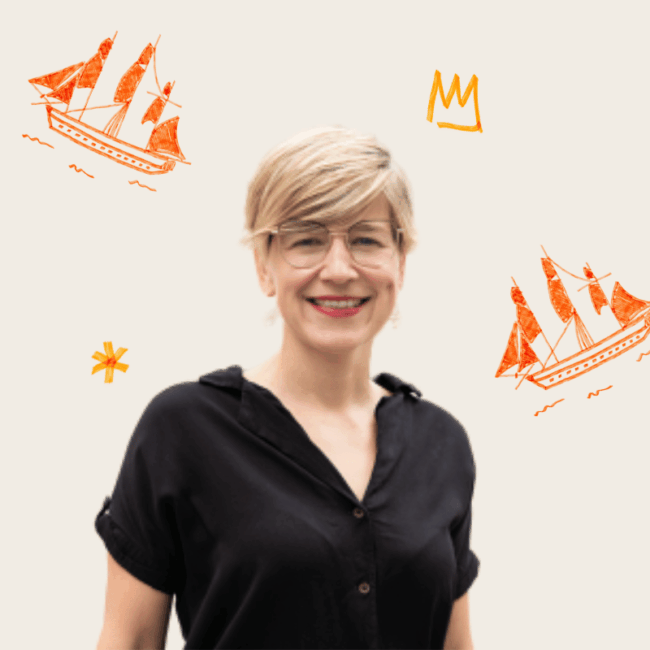
 2011Deborah Besseghini
PhD in Modern History and MSCA Researcher
OUR PROJECT LEADER'S DREAM
After training at the Research Center for Foreign Policy and Public Opinion Studies in Milan, Deborah began a research project on European empires as protection systems for long-distance exchanges. The aim was to demonstrate the vagueness of the idea of “empire”, the complexity and variety of its forms, and the spaces for negotiation that the concept conceals rather than declares. This initial inquiry laid the groundwork for a broader reflection on “empire” and “imperialism” as mobile concepts that structure and transform international relations.- A PHD dream2016
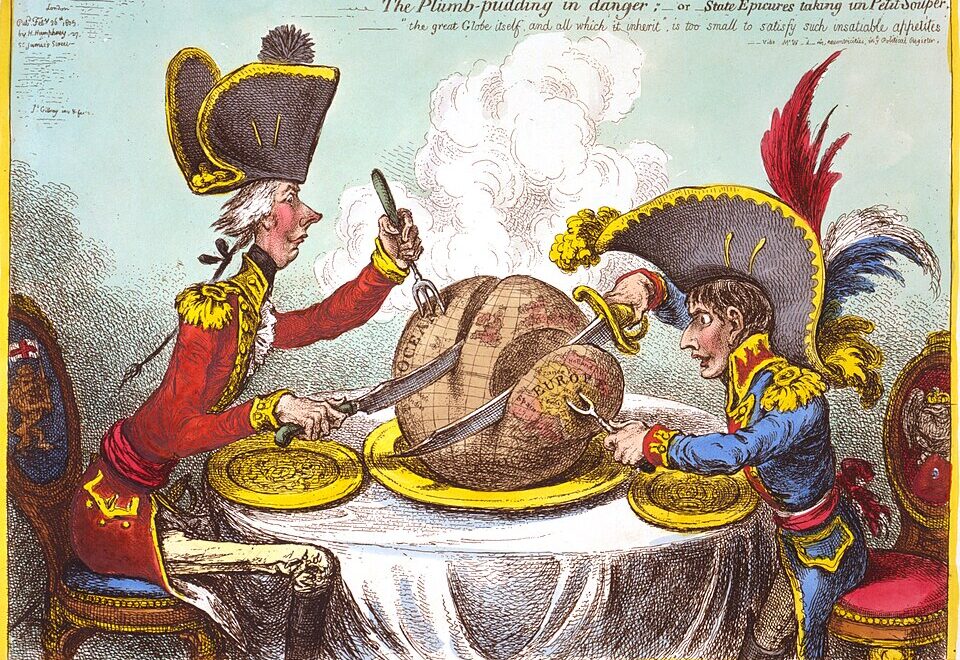
Deborah Besseghini's doctoral research in Trieste on Robert Ponsonby Staples, an “imperial agent” of Britain, uncovered transatlantic negotiations shaping the Napoleonic Wars, Latin American independence, and the global reconfiguration of trade. Her doctoral and postdoctoral research highlighted paradoxical connections between the financing of British campaigns against Napoleon, arms sales and independence campaigns in Spanish America, and the Asian trade, including opium. The analysis revealed complex and contradictory dynamics, leading to a project on the unplanned effects of interference
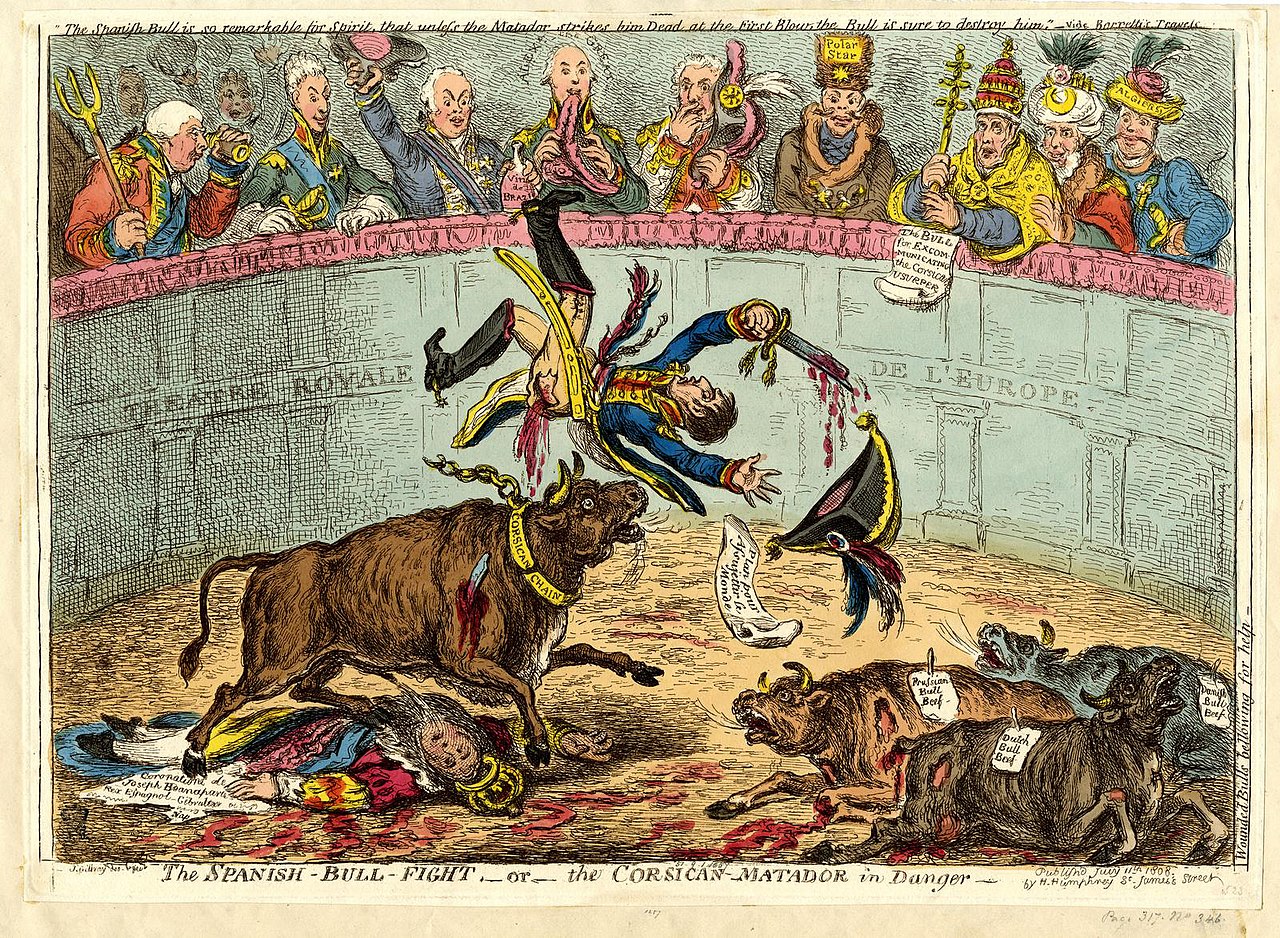 2025"UNWANTED” — The project
This project aspires to foster awareness of the past and present mechanisms and management of the unplanned impact of strategic intrusion. Our leader and her team investigate the consequences of great power interventions. Deborah shows how intrusion in the Hispanic world allowed Britain to speculate on Spanish American coin and bullion to finance aid against Napoleon, and by following Irish trans-imperial agents she examines how global trade, financial flows, and the arms trade reshaped Britain’s economic role. The project shows how revolution in Spanish America provided means to liberate Spain, with the collapse of imperial systems as an unintended effect.



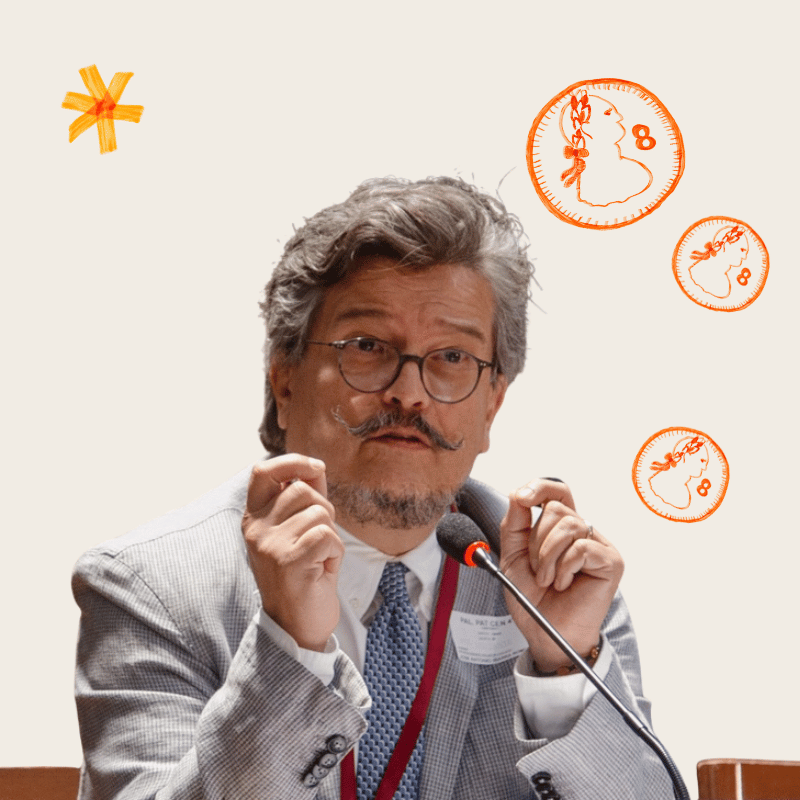



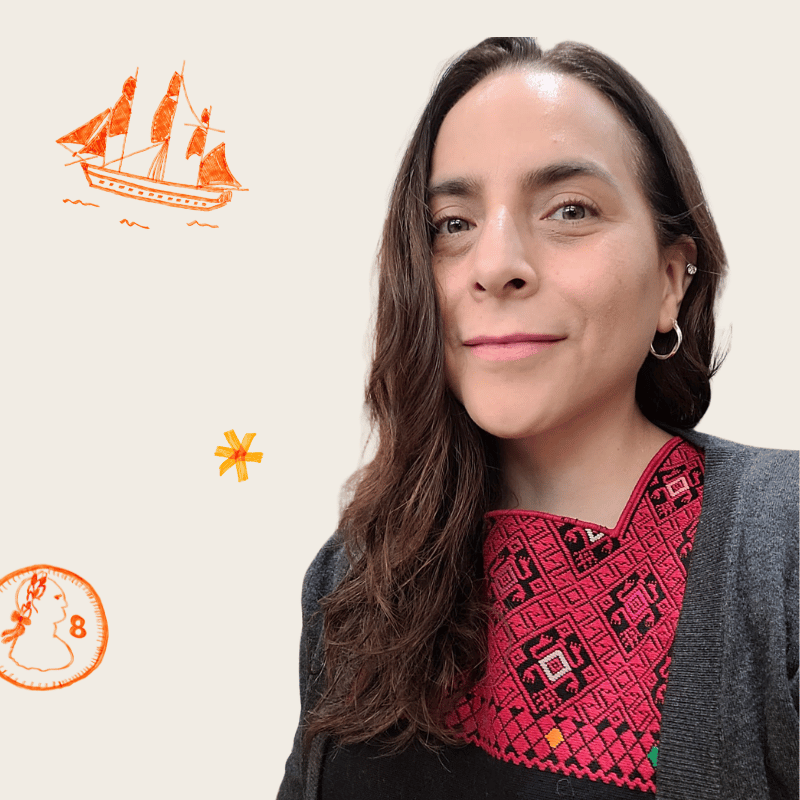


Research professor at the Instituto de Investigaciones Dr. José María Luis Mora, she investigated the 18th century from various perspectives, including maritime trade, political practices, emotions, naval expeditions, and enviromental history. Currently, her research focuses on Maritime History.







Research professor at the Instituto de Investigaciones Dr. José María Luis Mora, she investigated the 18th century from various perspectives, including maritime trade, political practices, emotions, naval expeditions, and enviromental history. Currently, her research focuses on Maritime History.